86673 18 234
 jspestservices@gmail.com
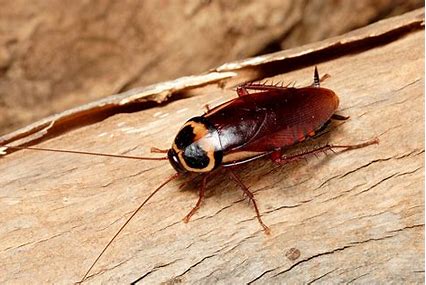
COCKROACH DISEASES
Cockroaches can carry and transmit diseases such as salmonellosis, dysentery, and typhoid fever. They can also spread allergens that trigger asthma and allergies. Additionally, cockroaches may harbor bacteria like E. coli, potentially causing infections. Keeping your home clean and taking measures to control cockroach populations can help reduce the risk of disease transmission.
PROFESSIONAL COCKROACH CONTROL
Cockroaches are typically considered pests because they can infest homes, restaurants, and other buildings, contaminating food and spreading diseases. However, they also play important ecological roles, such as breaking down organic matter in ecosystems.
There are thousands of species of cockroaches, but the most common ones encountered by humans include the German cockroach, American cockroach, Oriental cockroach, and the brown-banded cockroach. Each species has its own habits, preferences, and characteristics.
The lifespan of a cockroach varies depending on the species and environmental conditions. Generally, cockroaches can live anywhere from a few months to a couple of years. Some species have shorter lifespans, while others can live longer, especially in ideal conditions with access to food, water, and shelter.
Regarding reproduction, cockroaches are prolific breeders. A female cockroach can produce multiple egg cases, called oothecae, during her lifetime. Each ootheca can contain dozens to hundreds of eggs, depending on the species. After being deposited by the female, the eggs typically hatch into nymphs, which then undergo several molts before reaching adulthood. This reproductive capacity contributes to the rapid population growth of cockroaches under favorable conditions.
HOW TO CONTROL & AVOID COCKROACHES
RESIDENTIAL AREA
For residential areas, cockroach control services typically involve:
- Inspection: Our technician person thorough inspection of the premises to identify cockroach hiding spots and entry points.
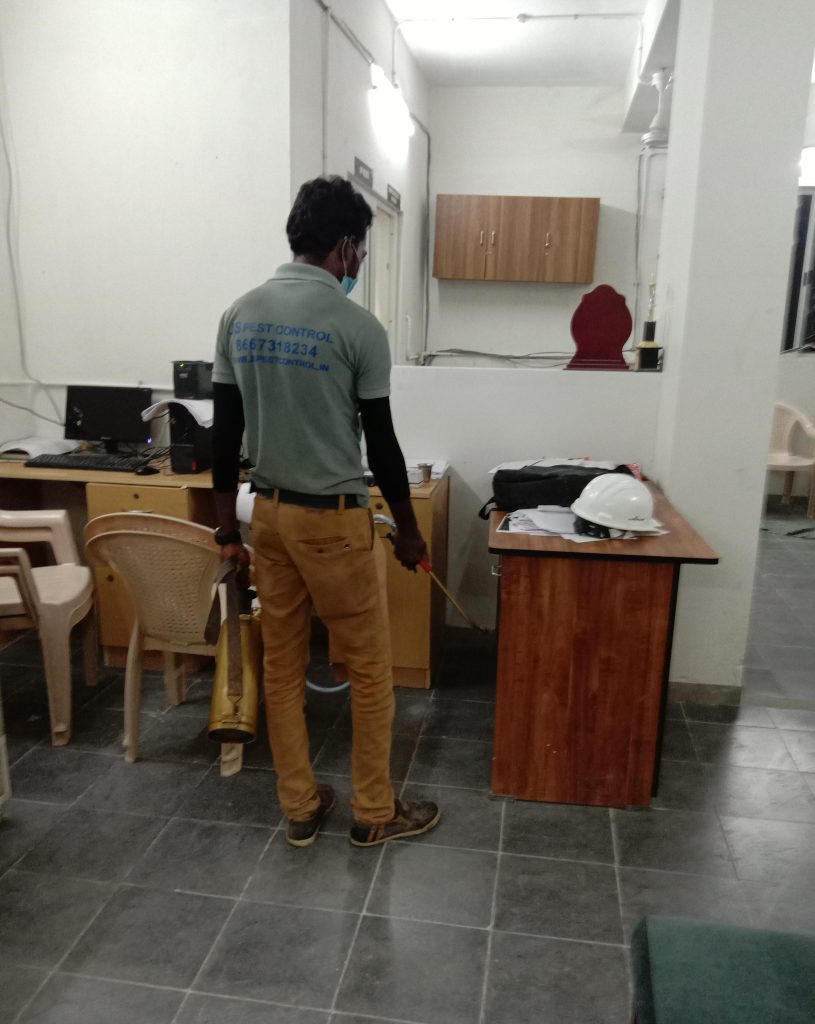
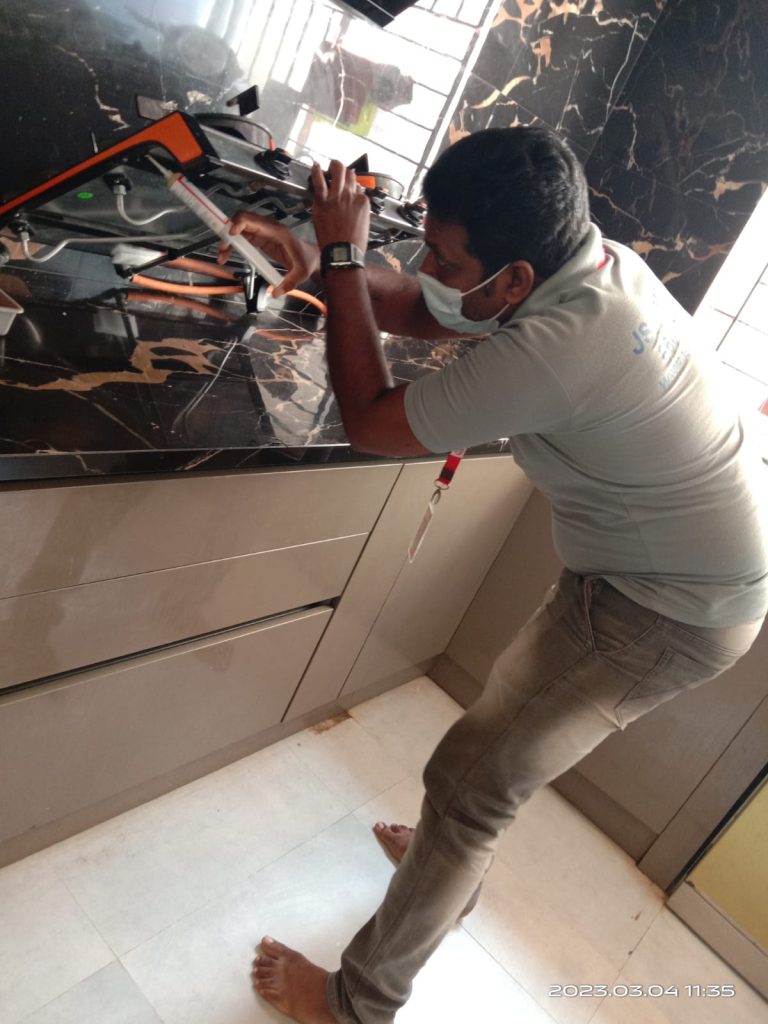
- Treatment: Application of appropriate insecticides or baits targeted at cockroach habitats and breeding areas.
- Prevention: Recommendations for preventive measures such as sealing cracks and crevices, improving sanitation practices, and removing clutter that can harbor cockroaches.
- Follow-up: Scheduled follow-up visits to monitor the effectiveness of the treatment and make any necessary adjustments.
- Education: Providing homeowners with information on cockroach behavior, sanitation practices, and ways to prevent future infestations.
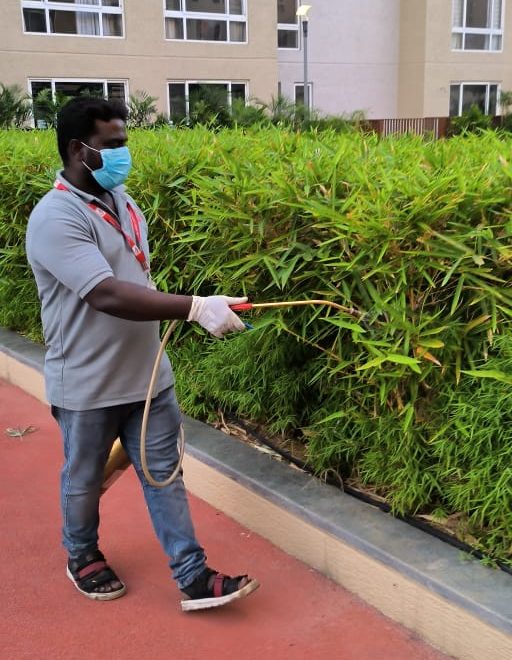
SPARY TREATMENT
GELL TREATMENT
COMMERCIAL AREA
Assessment: Conducting a thorough inspection of the premises to identify the extent of the cockroach infestation, as well as potential entry points and harborage areas.
Maintaining detailed records of inspections, treatments, and follow-up visits to track the effectiveness of the control measures and ensure compliance with regulations.
Treatment: Applying targeted insecticides or baits to areas where cockroaches are present, focusing on breeding sites, hiding places, and high-traffic areas.