 86673 18 234
 jspestservices@gmail.com
TERMITE BITES
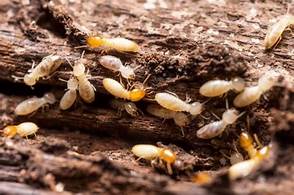
Termites themselves are not known to transmit diseases to humans directly. Unlike mosquitoes, which can transmit diseases through their bites, termites primarily feed on cellulose-based materials like wood and do not bite humans for blood. However, the presence of termites in a building can lead to structural damage over time, which can compromise the integrity of the structure and potentially create safety hazards.
EFFECTIVE TERMITE REMOVEL SERVICES
Termites are social insects belonging to the order Isoptera. They are known for their ability to feed on cellulose-based materials such as wood, paper, and plant debris. Termites live in colonies that can range in size from a few hundred to millions of individuals, depending on the species and environmental conditions.
-
Lifespan: The lifespan of an individual termite varies depending on its caste within the colony. Worker termites, which are responsible for foraging, feeding, and maintaining the colony, typically live for one to two years. Soldiers, whose primary role is to defend the colony, have a similar lifespan. Reproductive termites, also known as alates or swarmers, have the shortest lifespan, typically living only a few weeks to a few months after they emerge from the colony to mate and establish new colonies.
-
Egg production: Termite queens, the primary reproductive females within the colony, are capable of laying large numbers of eggs throughout their lifetime. A mature termite queen can produce thousands to millions of eggs each year, depending on the species and the size and age of the colony. The eggs hatch into larvae, which then develop into different castes depending on their feeding and behavioral roles within the colony.
- Overall, termite colonies can persist for many years, with the queen continually producing new eggs to replenish the population. This reproductive capacity is one of the reasons why termite infestations can become widespread and challenging to control without proper management strategies.
POST & PRE-CONSTRUCTION TERMITE TREATMENT
POST TERMITE
.
PRE TERMITE
.
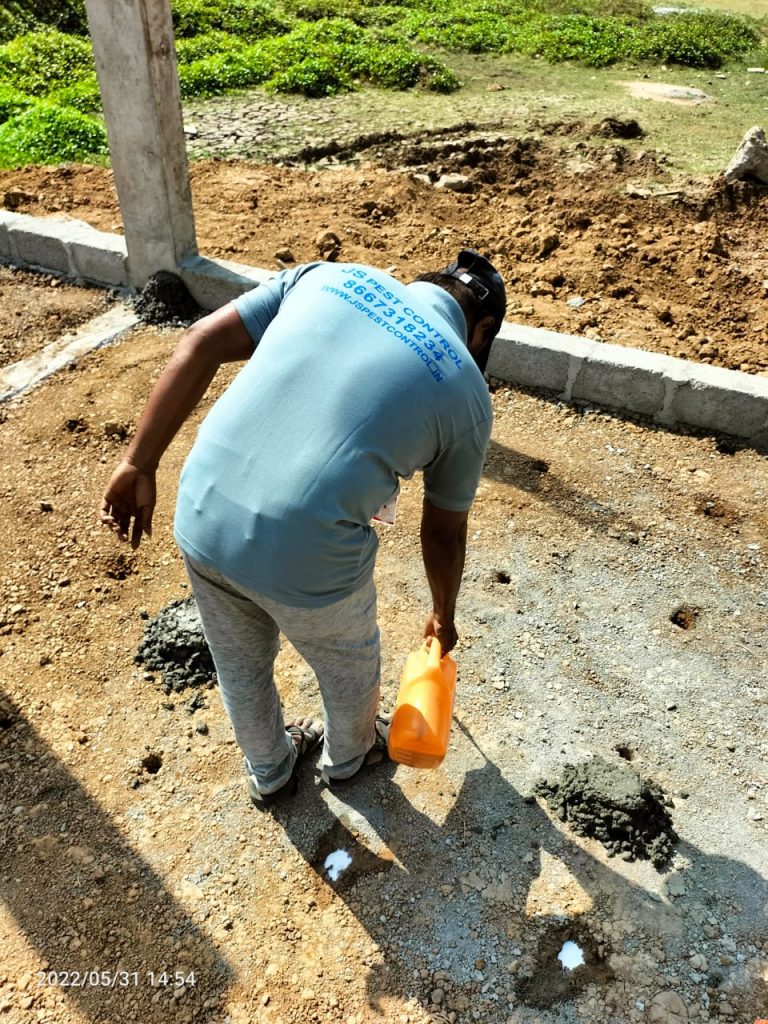
PRE CONSTRUCTION TREATMENT
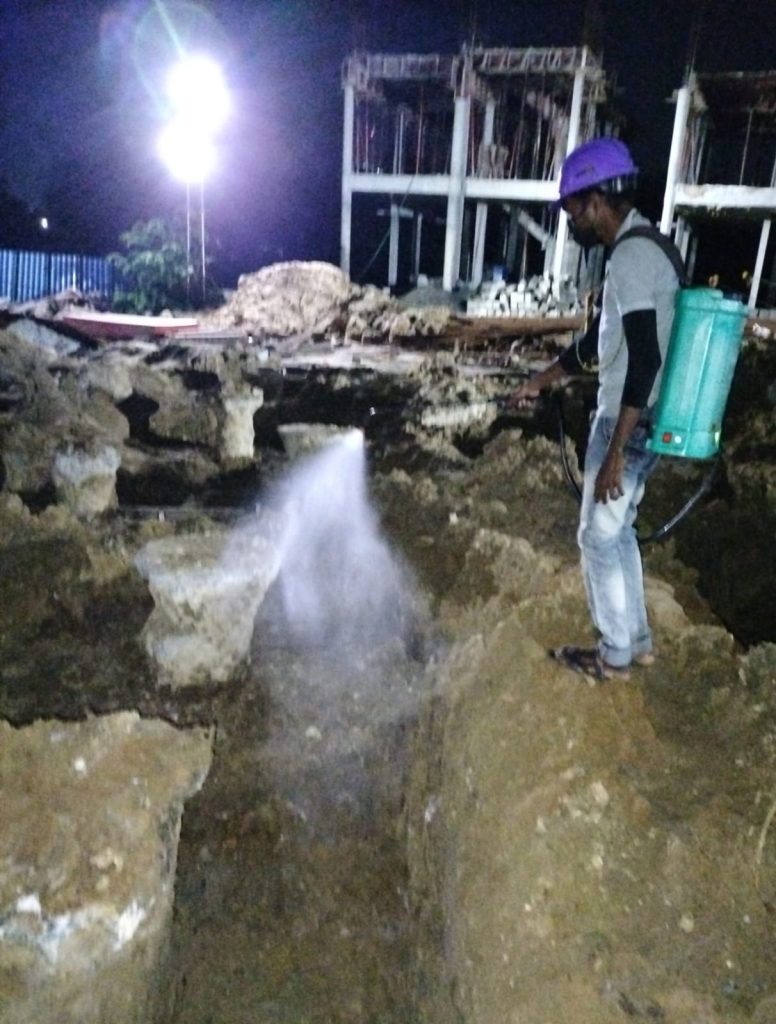
Termite pre-construction pest control involves implementing preventive measures to protect a building from termite infestations before construction begins. Here’s an overview of the typical steps involved:
1.Soil treatment 2.Physical barriers 3.Termite-resistant materials 4.Drainage management
Our pest control professionals specialize in termite control is crucial for developing and implementing an effective pre-construction pest control plan. They can provide expertise in termite biology, treatment options, and regulatory compliance.
POST CONSTRUCTION TREATMENT
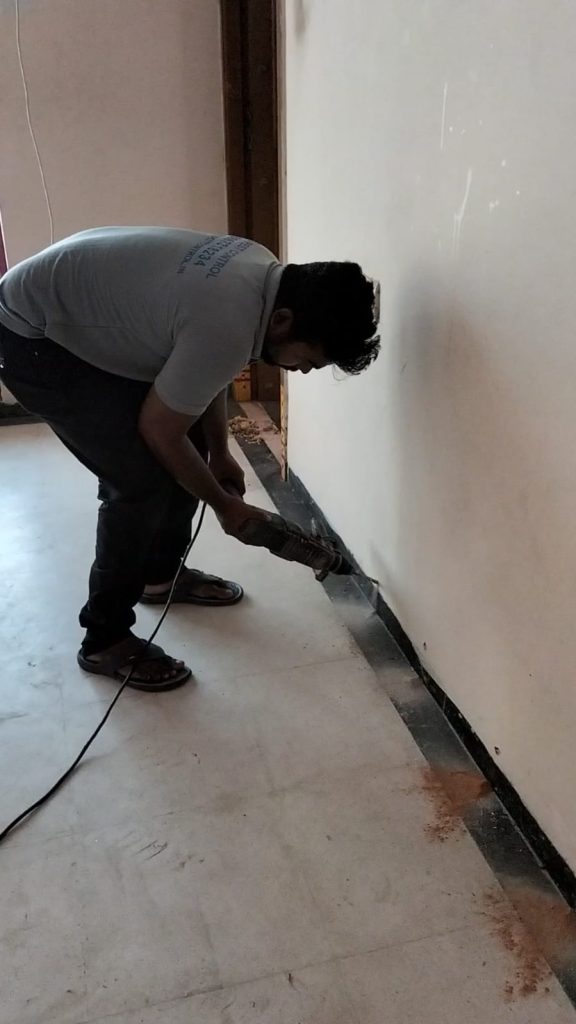
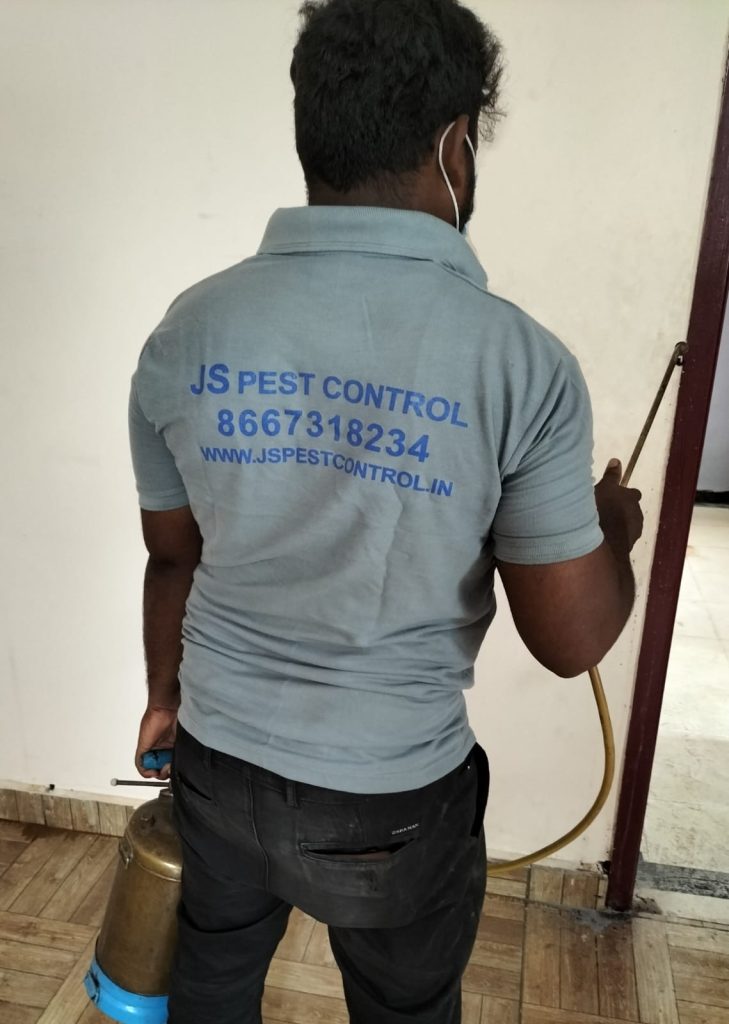
Post-construction pest control for termites focuses on managing or eliminating existing termite infestations in buildings that have already been constructed. Here are some common methods used for post-construction termite control:
-
Chemical barrier treatments: Applying liquid termiticides around the perimeter of the building or directly into the soil near termite entry points can create a chemical barrier that repels or kills termites.
-
Baiting systems: Installing termite bait stations around the perimeter of the building or in areas where termite activity has been detected. These bait stations contain slow-acting toxins that termites ingest and carry back to the colony, eventually leading to colony elimination.
-
Direct treatment: Targeting localized areas of termite activity with liquid termiticides or foams can help eliminate active infestations.
-
Physical barriers: Installing physical barriers such as metal termite shields or stainless steel mesh around vulnerable areas of the building can prevent termites from gaining access.
-
Moisture control: Addressing moisture issues within the building, such as fixing leaks, improving ventilation, and reducing humidity levels, can help deter termite activity, as termites are attracted to moisture-rich environments.
-
Regular inspections: Conducting regular inspections of the building for signs of termite activity, such as mud tubes, damaged wood, or discarded termite wings, can help detect infestations early and prevent extensive damage.