 86673 18 234
 jspestservices@gmail.com
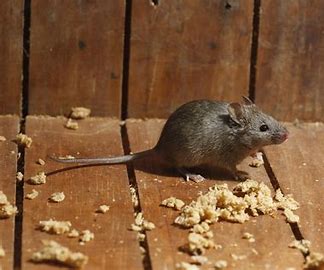
RODENT DISEASES
Rodents can transmit diseases through direct contact, contaminated surfaces, or droppings. Common rodent-borne diseases include leptospirosis, hantavirus, salmonellosis, rat-bite fever, and plague. Keeping rodents out of living spaces and maintaining cleanliness can help prevent these illnesses.
Rodents are mammals belonging to the order Rodentia, which is the largest order of mammals, comprising over 2,200 species. They are characterized by a pair of continuously growing incisors in the upper and lower jaws, which must be regularly worn down through gnawing. Some common examples of rodents include mice, rats, squirrels, beavers, and guinea pigs.
Rodents are found on every continent except Antarctica and occupy a wide range of habitats, from forests and grasslands to urban areas. They play various ecological roles, including seed dispersal, soil aeration, and serving as prey for predators.
While some rodents are considered pests due to their propensity to damage crops, property, and spread disease, others are kept as pets or serve important ecological functions in their respective ecosystems.
Rodents exhibit diverse behaviors and adaptations, making them highly successful and adaptable animals in a wide range of environments. They have been the subject of extensive scientific study due to their ecological significance, economic impact, and roles in biomedical research.
HOW TO ADDRESS RAT PROBLEM
Droppings: Small, dark droppings near food sources, in cupboards, or along baseboards.
Gnaw Marks: Rats will gnaw on wood, wires, and food containers.
Nests: Rats create nests from shredded materials like paper or fabric, usually hidden in dark corners or behind appliances.
Footprints: You might find small tracks or tail marks in dusty areas.
Noises: Rats are nocturnal, so you may hear scratching, squeaking, or scurrying sounds at night, especially in walls or ceilings.
Damaged Food Packaging: Rats will chew through cardboard and plastic packaging to access food.
Prevent Rats from Entering Your Home
Seal Entry Points: Use caulk, steel wool, or metal mesh to close gaps around doors, windows, and foundations. Rats can squeeze through holes as small as ½ inch.
Store Food Properly: Keep food in airtight containers made of metal or thick plastic to prevent rats from smelling and accessing it.
Remove Clutter: Keep storage areas organized and free of clutter, as rats love to hide in boxes or piles of debris.
Yard Maintenance: Trim overgrown bushes and trees, and store firewood or other debris away from the house to reduce potential nesting areas.
EFFECTIVE RODENT CONTROL SOLUTIONS
Our pest control involves various methods to manage and eliminate rodent infestations. This can include:
- Exclusion: Sealing entry points to prevent rodents from entering buildings or homes.
- Traps: Using snap traps, glue traps, or live traps to capture and remove rodents.
- Baits: Placing rodenticides or bait stations strategically to attract and poison rodents.
- Sanitation: Keeping areas clean and free of food debris to reduce attractants for rodents.
- Monitoring: Regularly inspecting for signs of rodent activity and addressing issues promptly.
Implementing integrated pest management (IPM) strategies that combine multiple approaches is often the most effective way to control rodent populations while minimizing risks to humans and the environment.