COVID-19 is a highly contagious respiratory illness caused by the SARS-CoV-2 virus. It spreads through respiratory droplets and contact with contaminated surfaces. Common symptoms include fever, cough, and difficulty breathing, with severe cases requiring hospitalization. Preventive measures include wearing masks, practicing physical distancing, and getting vaccinated. Efforts to control the pandemic have had profound global impacts on public health and economies.
DISINFECTION SERVICES
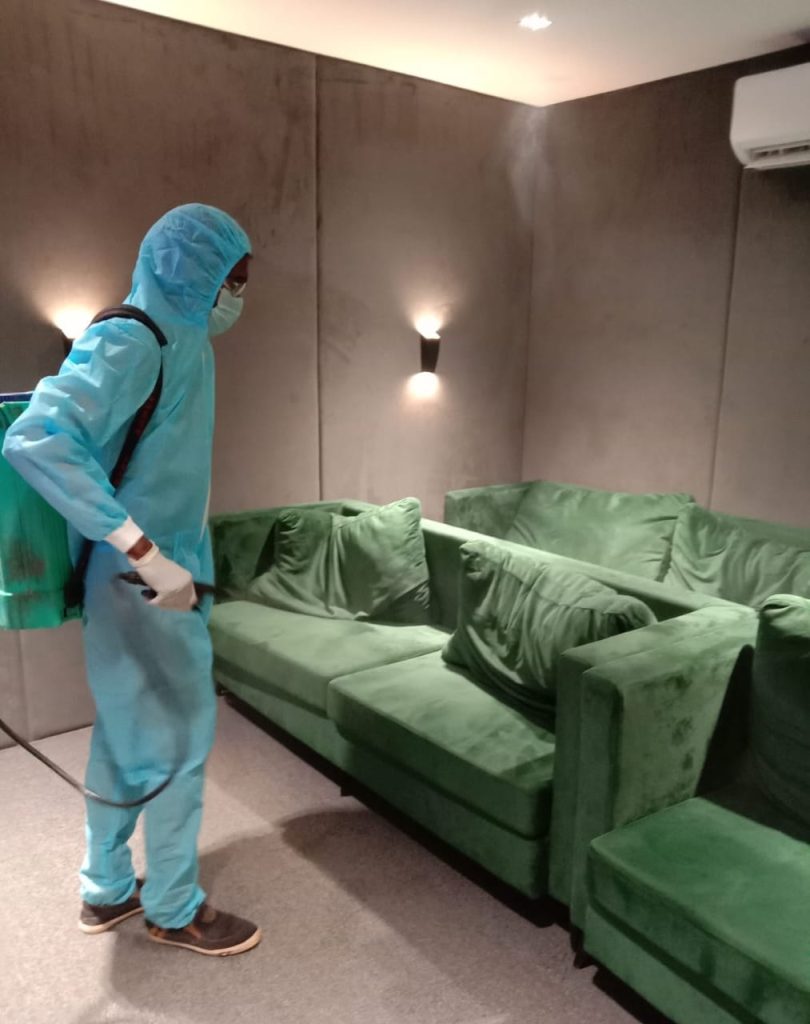
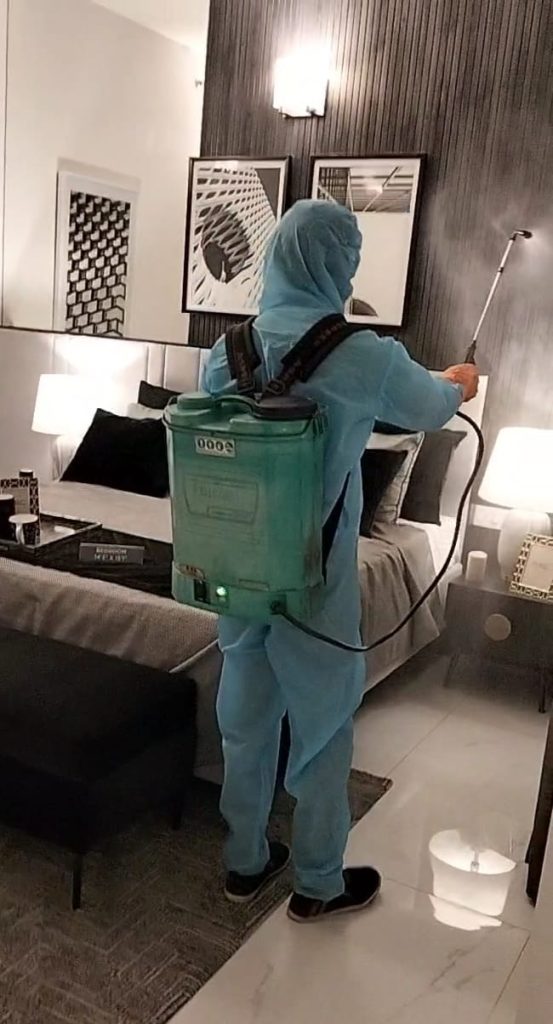
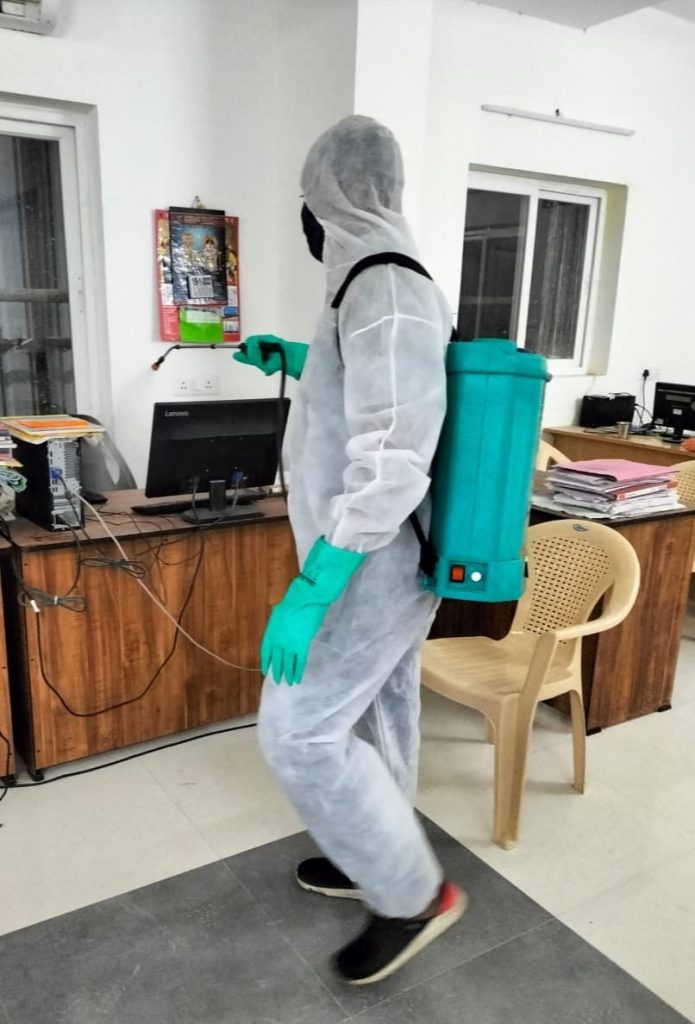
Disinfection services involve the thorough cleaning and sanitization of surfaces and spaces to reduce the spread of harmful pathogens, including viruses and bacteria. Professional disinfection services use specialized equipment and EPA-approved disinfectants to ensure thorough and effective treatment. These services are crucial for maintaining clean and safe environments in homes, businesses, healthcare facilities, and public spaces, especially during disease outbreaks like COVID-19. Regular disinfection helps protect against illness and promotes overall health and well-being.
EFFECTIVE CORONAVIRUS & PANDEMIC SANITIZATION
Effective sanitization during a pandemic like COVID-19 is crucial to prevent the spread of the virus and protect public health. Here’s a guide on how to properly sanitize environments, along with best practices for personal hygiene and safety during pandemics.
BASICS OF SANITIZATION
Sanitization vs. Disinfection: Sanitization reduces the number of germs to a safe level, while disinfection kills almost all germs on surfaces. During a pandemic, disinfection is more effective for high-risk areas.
Virus Transmission: The coronavirus spreads mainly through respiratory droplets, but it can also survive on surfaces for varying periods, so cleaning and disinfecting surfaces is essential.
FOLLOW GUIDELINESS FROM GUIDELINES FROM HEALTH AUTHORITIES
Stay updated on the latest sanitization guidelines from health authorities like the World Health Organization (WHO), Centers for Disease Control and Prevention (CDC), or your country’s health department. Their recommendations may change based on new research or evolving circumstances.
 86673 18 234
 jspestservices@gmail.com