 86673 18 234
 jspestservices@gmail.com
FLY DISEASES
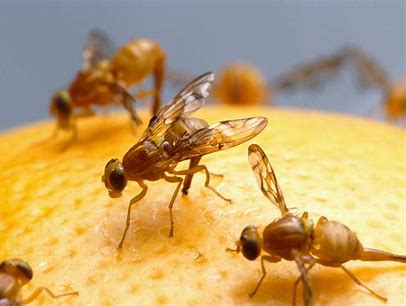
Flies can transmit diseases such as cholera, dysentery, typhoid fever, and various forms of food poisoning by contaminating food and surfaces with bacteria they carry. These diseases are often spread when flies land on feces or other sources of pathogens and then come into contact with human food or surfaces. Proper sanitation, waste management, and insect control can help reduce the risk of fly-borne diseases.
FLY PEST CONTROL
Flies are insects characterized by a single pair of wings and a pair of large compound eyes. They play various ecological roles, including pollination and decomposition. However, some species, such as house flies and mosquitoes, are vectors for diseases like malaria, dengue fever, and Zika virus. Flies have a rapid reproductive cycle and are attracted to decaying organic matter, making sanitation crucial for controlling their populations.
Using organic methods for fly control is an environmentally friendly approach that avoids the use of chemical pesticides. These methods typically involve natural ingredients and practices to deter or eliminate flies while minimizing harm to other organisms and the ecosystem.
HOW TO KILL & CONTROL FLIES
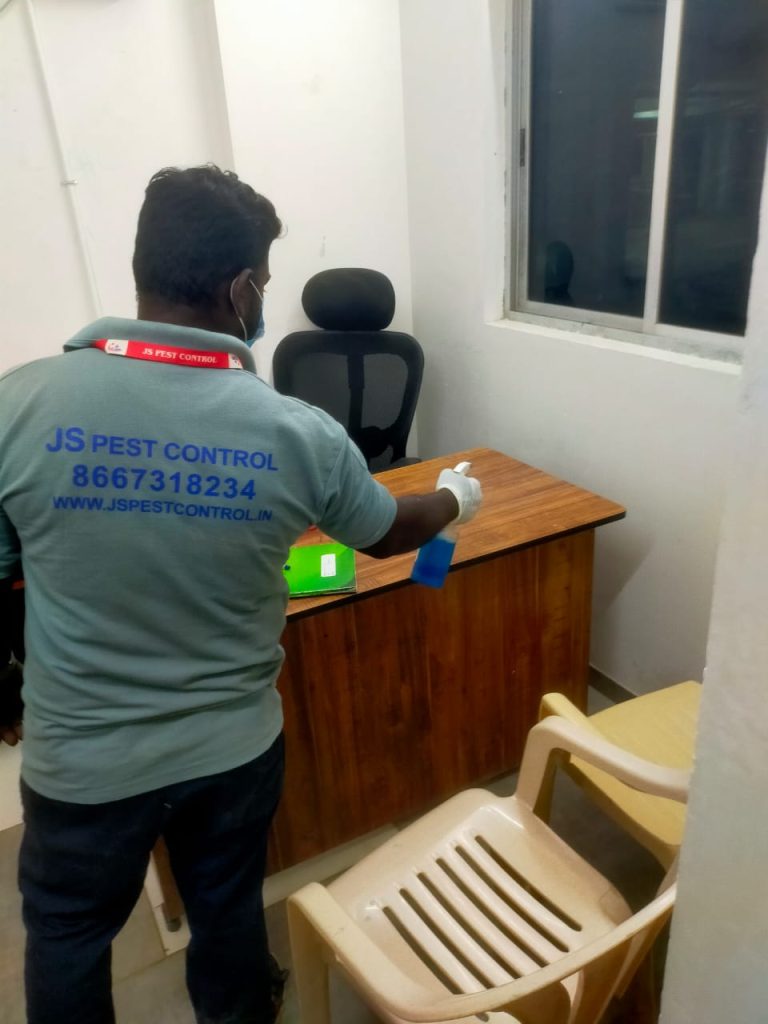
We implemented organic fly control solutions to manage our fly problem. The natural ingredients in the products worked efficiently. Flies were quickly eliminated without the use of harmful chemicals. These eco-friendly methods ensured safety for both humans and pets. Overall, the organic approach provided effective and non-toxic fly control.
ORGANIC FLY CONTROL

FLY CONTROL
RELIABLE FLY REMOVEL SOLUTIONS
1. Preventive Measures
Sanitation: The most important step in fly control is eliminating what attracts them:
Garbage Management: Make sure garbage is sealed tightly and disposed of regularly. Clean trash bins and areas around them.
Food Storage: Store food in airtight containers, especially fruits, vegetables, and meat. Clean up spills immediately.
Pet Waste: Clean up after pets promptly, as flies are attracted to feces.
Standing Water: Eliminate standing water around your property (such as in puddles, pet bowls, or clogged drains), as this is where flies can breed.
2. Exclusion Methods
Install Screens: Use fly screens on windows and doors to prevent flies from entering your home.
Seal Entry Points: Check for cracks or gaps around windows, doors, and pipes, and seal them to reduce fly entry.
Use Door Strips: Attach door strips or seals to prevent flies from sneaking under doors.
3. Fly Traps
Sticky Fly Traps: Sticky strips or boards can be hung in fly-prone areas. Flies will get stuck to the adhesive surface.
Pros: Inexpensive and easy to set up.
Cons: May be unsightly if used indoors and needs to be replaced frequently.
UV Light Traps: These devices use ultraviolet light to attract flies. When flies come near, they are either electrocuted or trapped.
Pros: Effective in both indoor and outdoor areas.
Cons: More expensive than other traps and requires electricity.
Bottle/DIY Traps: Create a simple trap by cutting a bottle in half, flipping the top part into the bottom to form a funnel, and filling the bottom with bait (such as sugary water or vinegar). Flies enter but can’t escape.
Pros: Cheap and easy to make at home.
Cons: Requires regular cleaning and rebaiting.
Fly Paper: Sticky paper coated with a sweet-smelling attractant can capture flies on contact.
Pros: Easy to use.
Cons: Must be placed carefully to avoid sticking to people or pets.